Reviewing the Mother’s Day SVG for Real Embroidery Use
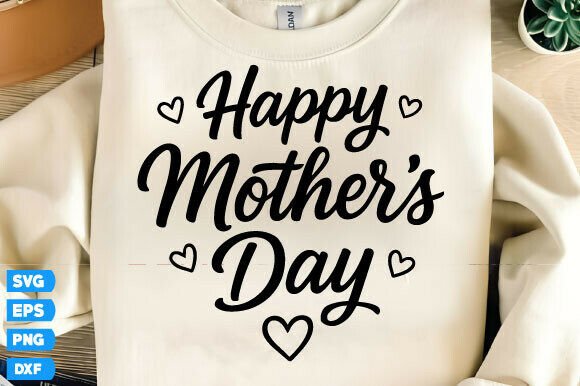
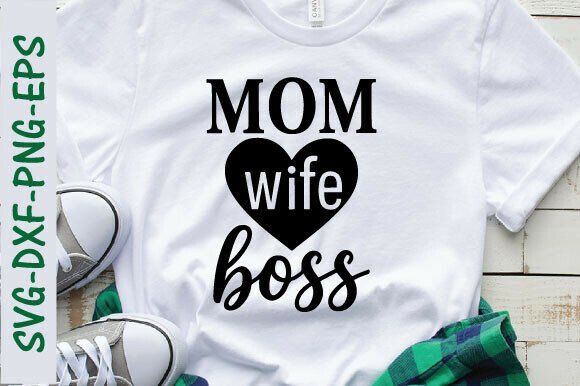
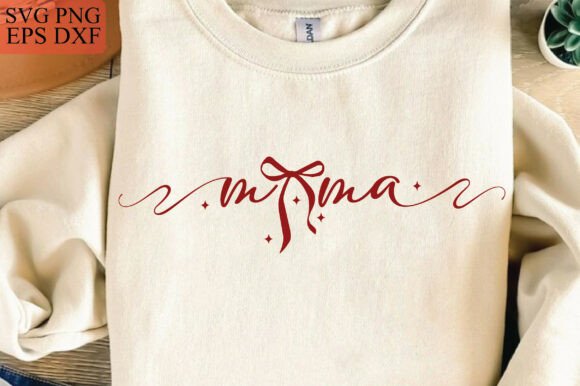
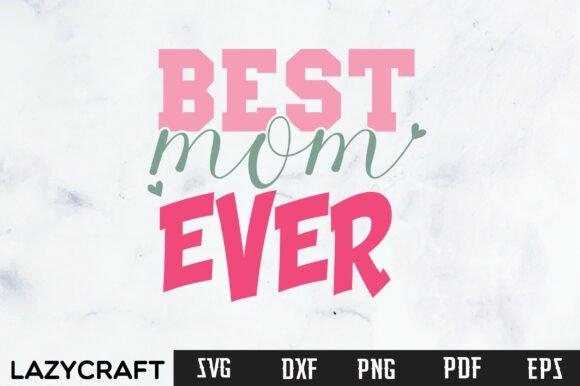
As a designer who spends more time staring at stitch simulations than I care to admit, I approach every new digital embroidery file with a mix of curiosity and skepticism. We have all been there: you download a cute graphic, load it into your software, and realize too late that the lines are too thin for satin stitch or the details will vanish on textured fabric. Today, I am taking a close look at the Mother s Day SVG, Mom Life SVG, Mama SVG pack to see how it holds up not just as a cut file, but as a foundation for high-quality stitched products.
The first impression of this design set is one of approachable warmth. The typography and layout suggest a modern, minimalist aesthetic that resonates deeply with current trends in handmade goods. For those of us running a craft business or selling on Etsy, visual personality is everything. This design does not scream for attention; instead, it invites it. It feels like something a customer would want on their daily wear, which is the holy grail for custom apparel. However, translating a vector SVG into a durable machine embroidery design requires more than just importing the file. It requires an understanding of how thread interacts with fabric.
From Vector to Stitch: Practical Application
The product description notes that the download includes SVG and DXF files, primarily marketed for cutting machines like Cricut and Silhouette. For an embroiderer, this means we are working with clean vector paths. This is a double-edged sword. On one hand, clean lines make digitizing easier if you are converting the shape yourself. On the other hand, if you are using these as applique templates, the precision is excellent. I envision this design working beautifully as an applique design on a tote bag design project. By using a contrasting fabric for the letters or shapes and securing them with a neat satin stitch border, you bypass the issue of dense fill stitches pulling on lightweight canvas.
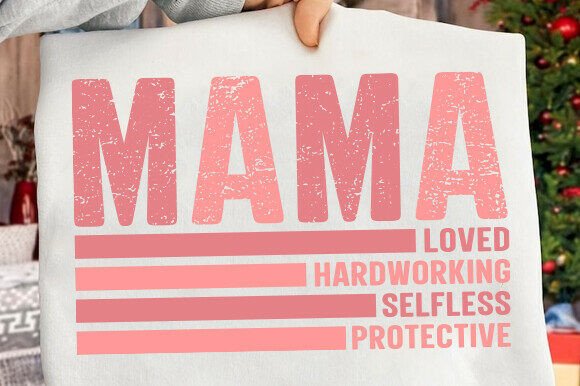
Consider a real-life scenario: a customer orders a personalized gift for a new mom. You decide to use the "Mama" variant on a soft, heathered grey sweatshirt. Here, the sweatshirt embroidery needs to feel premium, not stiff. If you were to fill the entire text with dense stitching, the garment would pucker and feel heavy. Instead, using the SVG path to create a lightweight running stitch outline or a narrow satin stitch can maintain the design’s integrity while keeping the hand-feel soft. This approach elevates the finished product from a generic item to a boutique-quality piece.
Fabric Choices and Stitch Density Considerations
One of the most critical aspects of evaluating any embroidery file is understanding where it might fail. This design, with its likely emphasis on typography and clean shapes, demands careful attention to stitch density. If you are stitching directly onto a textured fabric like a waffle-knit towel or a rough linen apron, fine details can get lost. In these cases, I recommend increasing the stitch width slightly or opting for a bolder thread weight to ensure visibility.
Dark fabrics present another challenge. While the design looks crisp on a white background in your software, thread colors must be chosen with high contrast in mind when moving to black or navy garments. A common mistake is assuming a standard color palette will work across all backgrounds. Always test your thread color combinations on scrap fabric first. Furthermore, if you are working with stretchy materials like jersey knits for baby embroidery projects, the stability of the design is paramount. A proper cut-away stabilizer is non-negotiable here to prevent the design from distorting after washing.
Commercial Viability for Small Shops
For Etsy sellers and small shop owners, the versatility of this pack is its strongest asset. The inclusion of variations like "Mom Life" and "Mama" allows for product line expansion without needing entirely new designs. You can create a cohesive collection featuring holiday embroidery themes for Mother’s Day, followed by everyday wear items. This consistency helps build brand recognition. When customers see a specific style of lettering or layout, they begin to associate it with your small shop product quality.
However, commercial use comes with responsibility. Since the provided files are SVG and DXF, intended for cutting, you must ensure you have the right to use these shapes for embroidered goods. Always confirm licensing before selling commercial embroidery items. If you are digitizing these vectors into stitch files yourself, you own the stitch file, but the underlying artistic design may still be subject to the creator's terms. This distinction is vital for maintaining professionalism and avoiding legal pitfalls in your design assets library.
Technical Notes for the Embroiderer
Before you commit to a full production run, here are my practical notes for handling this specific type of graphic:
- Test on Scraps: Never stitch directly on the final garment. Use the same fabric and stabilizer combination to check for puckering.
- Check Hoop Size: Ensure the design fits comfortably within your hoop, leaving at least an inch of margin for clamping and stability.
- Inspect Small Details: If the SVG has tiny connectors or thin serifs, they may need to be thickened in your digitizing software to prevent thread breaks.
- Contrast Testing: View your design in black and white mockups to ensure the shape is recognizable without color reliance.
- Stabilizer Selection: Match your stabilizer to the fabric weight. Lightweight fabrics need tear-away or cut-away support depending on the stitch density.
Ultimately, the Mother s Day SVG, Mom Life SVG, Mama SVG pack offers a solid foundation for creators willing to put in the technical work. It is not a "plug-and-play" solution for embroidery unless you are doing simple applique, but it is an excellent resource for those who understand the translation from vector to stitch. By respecting the limitations of thread and fabric, you can turn these digital graphics into tangible, high-value items that customers cherish. Whether you are making a single personalized gift or stocking inventory for a spring sale, the key lies in the execution. Treat the design with care, respect the mechanics of your machine, and the results will speak for themselves.